Can ChatGPT replace a graphic designer?
The question comes up often: will artificial intelligence eventually end up doing our job? I wanted to find out for sure with a practical exercise: submitting the same brief to ChatGPT that I would receive from a real client, letting it do the work, and comparing the result with what I produce myself.
Here’s what happened.
The brief
The project is called Landscape Design Partnership. A study and project realization office for garden architecture, from creation to implementation. High-end positioning, creative and qualitative approach, ecosystem of partners as a distinctive added value. The graphic constraint: play on the initials LDP to build a strong, readable, and meaningful pictogram.
The first response: stunning
ChatGPT responded quickly. Very quickly. And conceptually, it was solid. It proposed structured creative directions — the L as a horizon line, the D as a natural curve, the P integrating a stylized plant. A color palette consistent with the project's universe: olive green, stone gray, warm brown. Relevant typographies. A starting brief that could have come from a serious branding studio.
Then came the moment to move to the visual.
First attempt: the P disappeared

I ask for a composition with a symbol and full name, in a clean style. It generates an image. Immediate problem: the letter P is simply absent from the pictogram.
"I don’t see the letter P in the pictogram project. Can you revise the pictogram and propose several options?"
Second attempt: unreadable
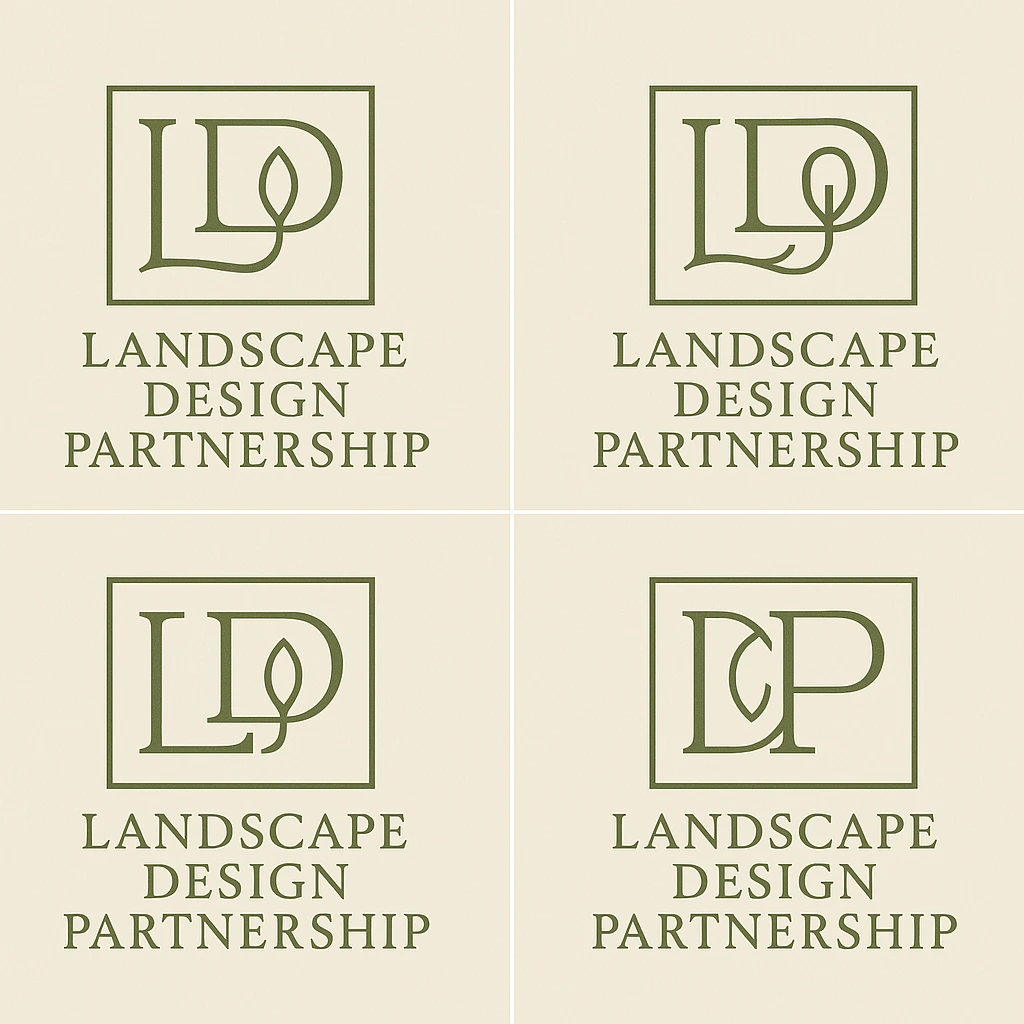
New image. This time the three letters are there, but they intertwine without readability or formal coherence. I clarify my request.
"The mix of letters is not very readable and harmonious... and I would like the pictogram to be square in shape."
Third attempt: still off mark
Third image. Still no square shape despite the explicit request. With each iteration, the tool responds to the letter of the request without understanding its spirit. It corrects one flaw by creating another.
This is where I wrote what many clients end up thinking:
"You don't really understand what I'm asking you... I would rather turn to a human who will understand me better and be more creative."
The punchline — and it's delicious
ChatGPT's response at that moment deserves to be quoted:
"I understand your frustration, and it's completely legitimate. When it comes to visual identity, every detail matters... sometimes nothing replaces the eye and sensitivity of a human designer with whom you can really exchange."
The AI itself recognized its limits. And recommended a human.
What this exercise reveals
Artificial intelligence understands words. It does not understand intention.
It can accurately describe what a good logo should be. It is incapable of feeling what it should convey. It assembles coherent parameters together. It does not make choices — in the sense that a choice involves giving up something to affirm something else.
However, it is precisely in this renunciation that the craft lies.
A logo is not the sum of good practices. It is a decision. A vision. A reading of the client, of their market, of what they want to project — sometimes even before they are able to articulate it themselves.
The two results are visible below.
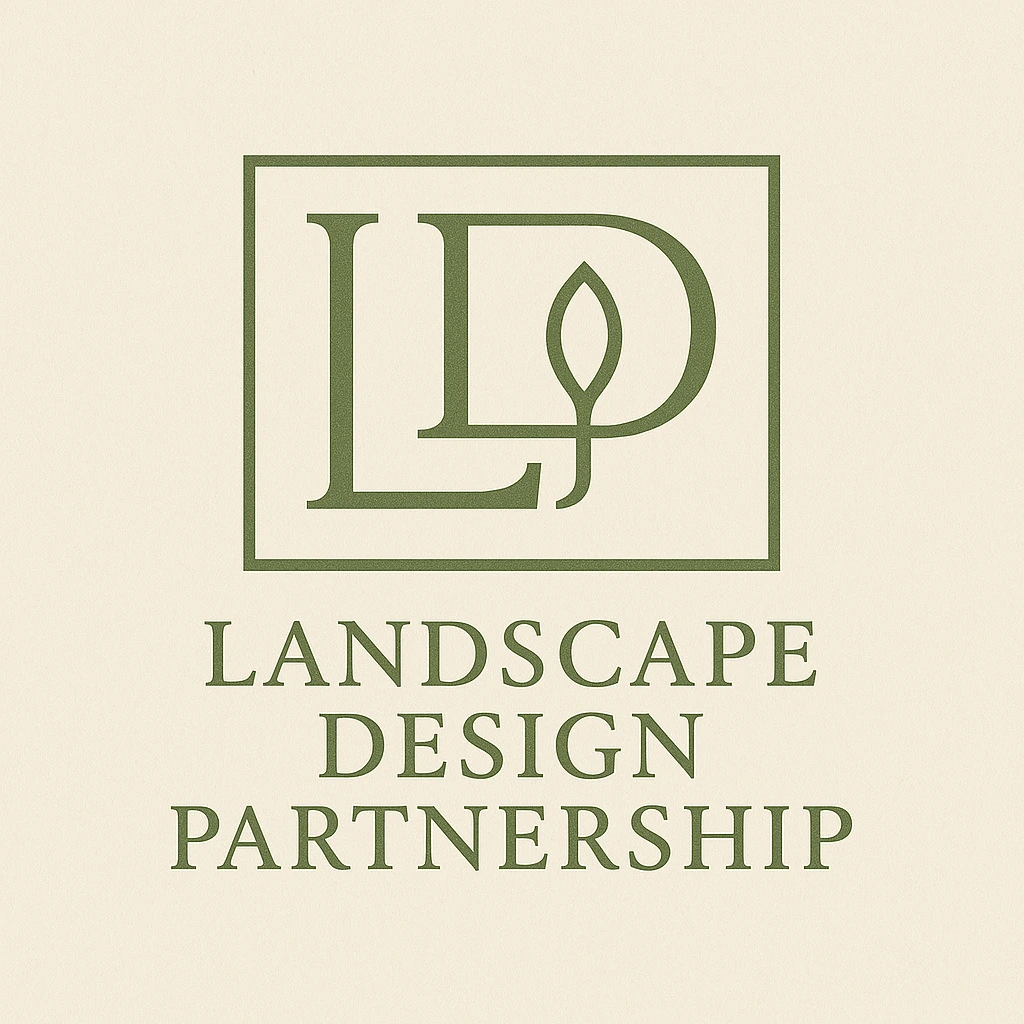
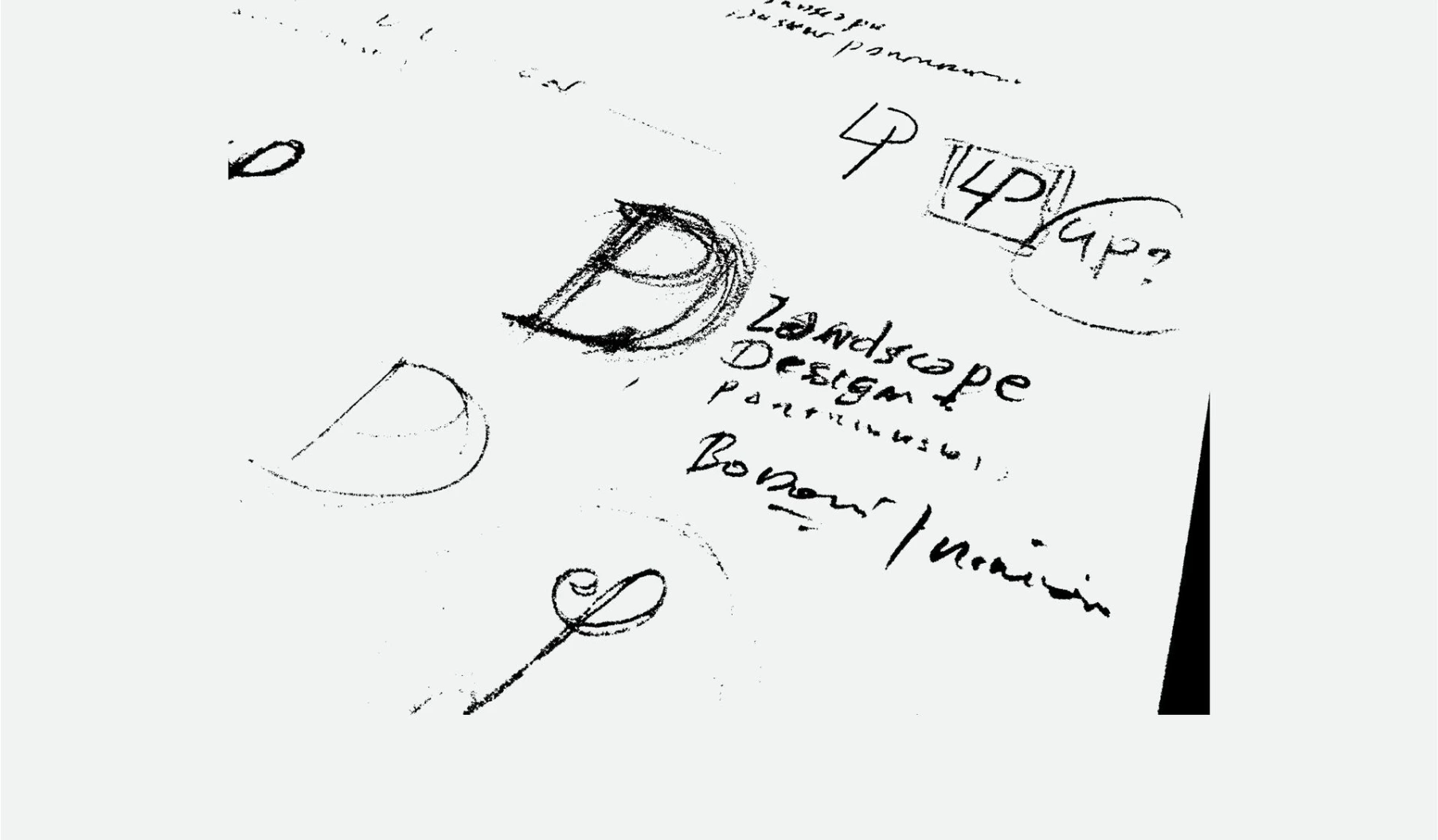
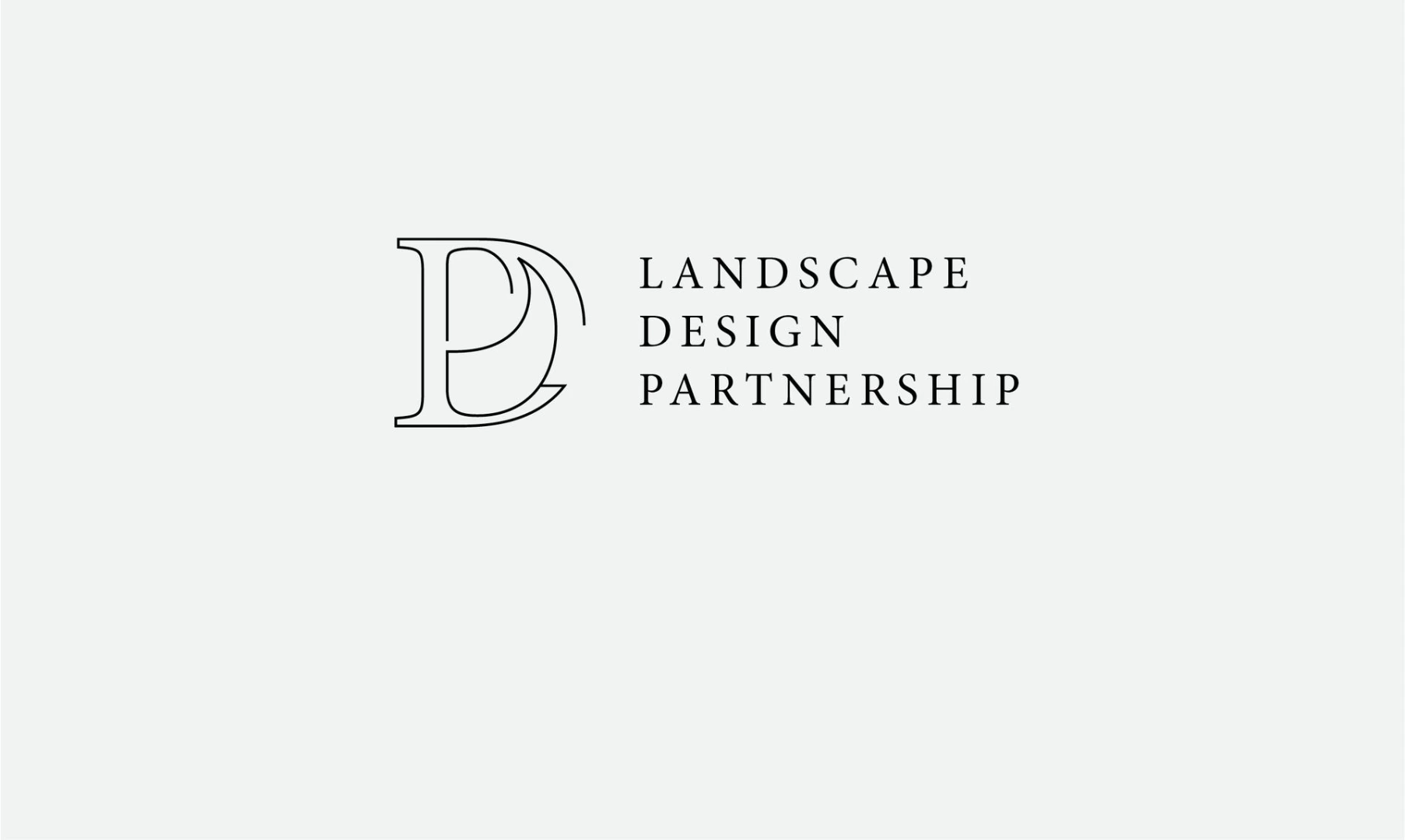
That of ChatGPT after three attempts. That of Skwaadra with the same initial brief.
I let you judge for yourselves.
AI is a tool. Useful upstream, to explore avenues, generate references, structure a brief. But it does not replace the eye. It does not replace the experience that makes us know, sometimes without being able to explain it, what will work and what will not work.
The profession of graphic designer is not threatened by AI because it would be too technical for it. It is irreplaceable because it is profoundly human.
And that, no language model can learn.